November 4, 2026
Window wells are an essential component of any building with basement windows. They not only provide light and ventilation to basements but also play a crucial role in safety and protection against weather conditions. Properly designed window wells affect several aspects, including safety, drainage efficiency, and long-term performance. This article delves into the various dimensions of window well design and its impact on building safety, drainage solutions, materials durability, aesthetics, regulatory compliance, and innovative technological trends. By understanding these elements, homeowners and builders can optimize the functionality and value of their properties.
The Role of Window Wells in Building Safety
Ensuring Emergency Egress
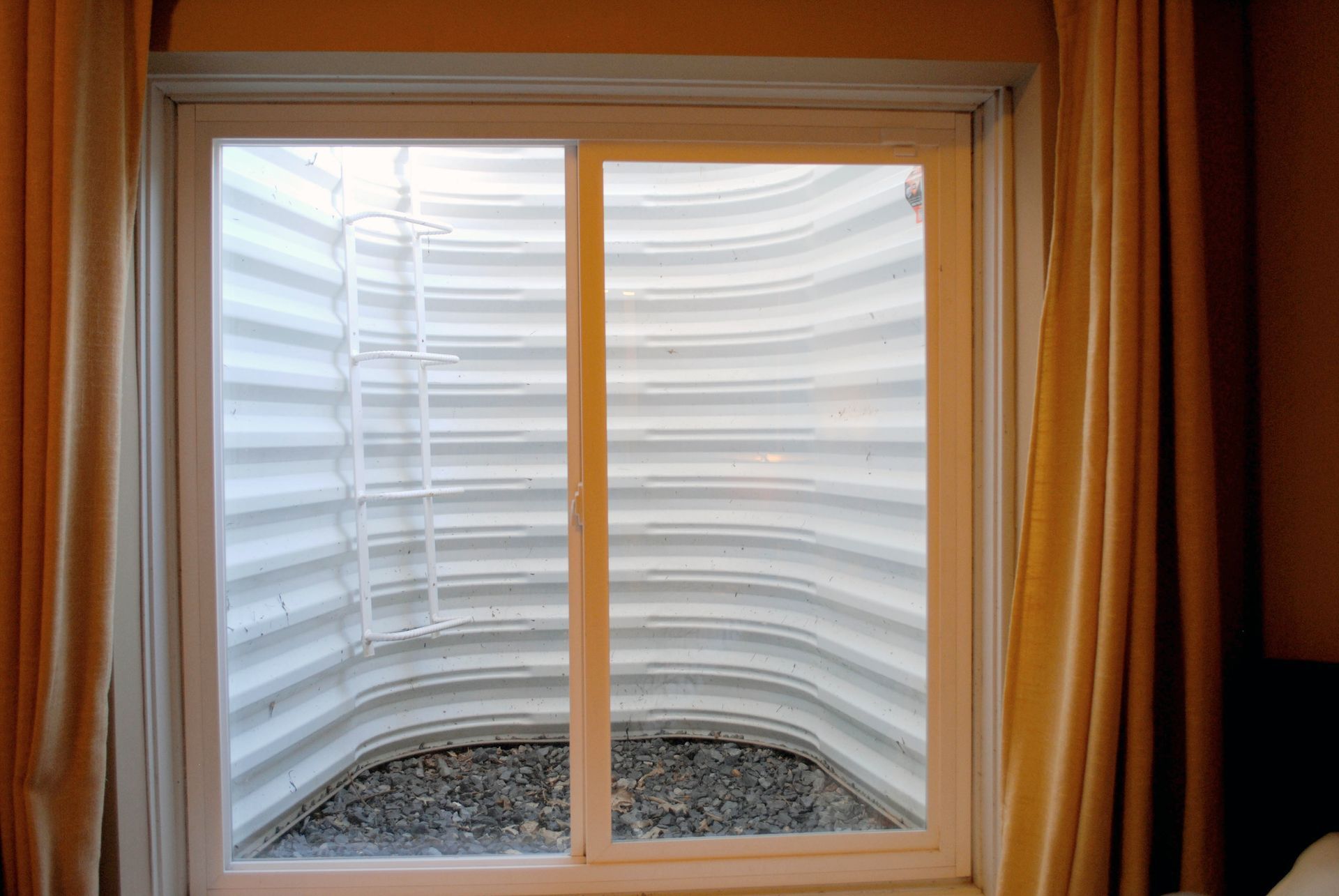
Window wells must provide an effective means of egress during emergencies, such as fires. According to Home Advisor, the International Residential Code mandates the inclusion of ladders for egress window wells deeper than 44 inches, allowing for quick and safe exits. Such regulations ensure that residents can use basement windows as viable escape routes in life-threatening scenarios. A well-designed egress window well not only meets these standards but also accommodates the specific needs of the individuals residing in the home. Therefore, designers and builders must prioritize compliance with building codes to enhance safety and provide peace of mind for occupants.
Promoting Structural Stability
The design of window wells also plays an essential role in maintaining the structural integrity of a building. Incorrectly installed or poorly designed window wells can cause foundational stress, leading to a host of structural issues over time. Properly fashioned window wells distribute pressure evenly around the window opening, preventing soil erosion and reducing the potential for water damage. Additionally, window wells contribute to thermal insulation and energy efficiency, impacting the overall stability and durability of the building. Therefore, attention to these design elements can prevent costly repairs and enhance the home's longevity.
Preventing Accidental Falls
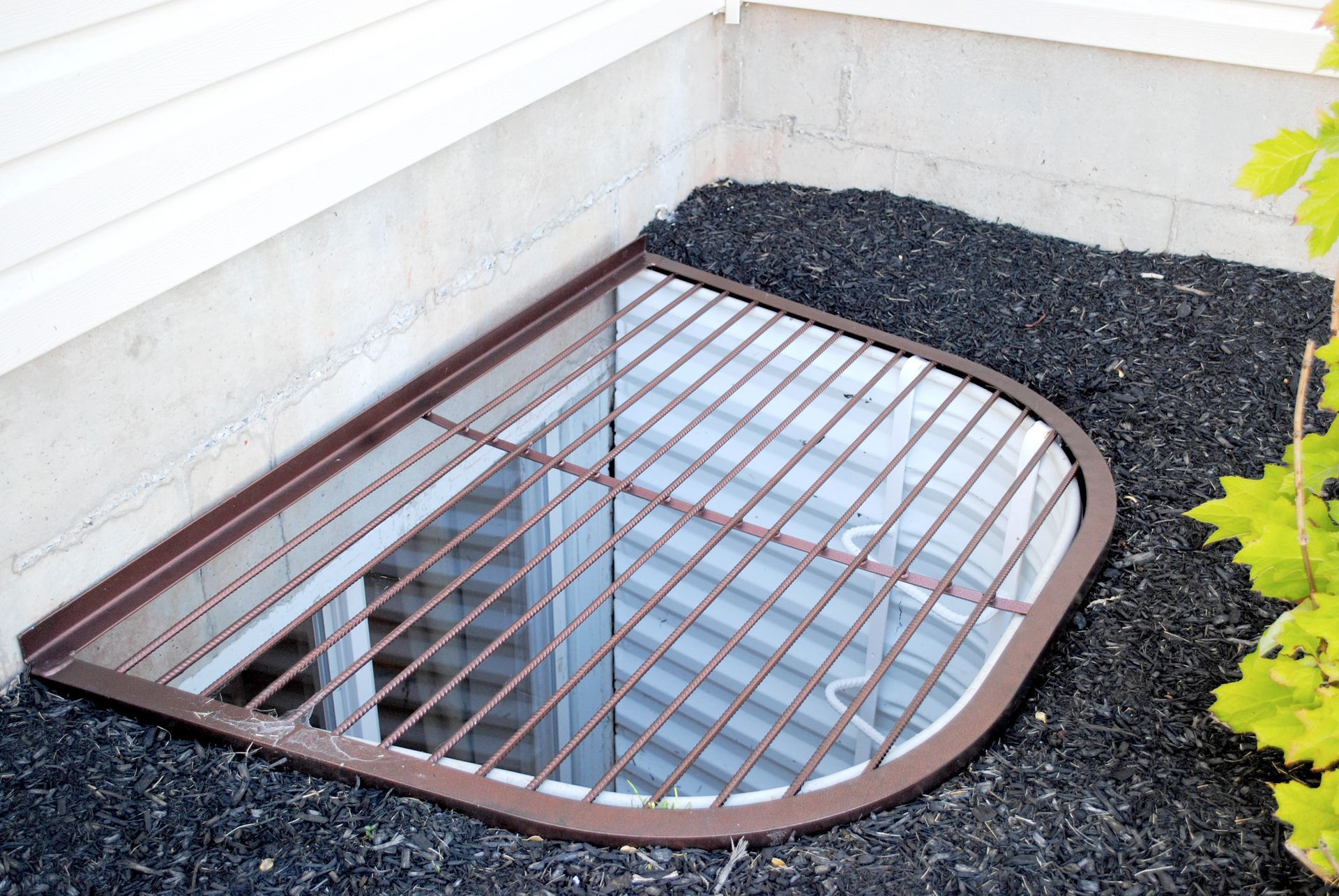
Accidental falls into window wells are a potential safety hazard, especially in homes with children and elderly residents. Window well covers and barriers provide a critical layer of protection, preventing accidents before they occur. These design features are essential for ensuring that window wells do not become dangerous traps, particularly for playful children or curious pets. Furthermore, well-chosen covers prevent debris accumulation, facilitating easier maintenance. By combining functional design with safety considerations, homeowners can minimize risks while preserving the usability of their window wells.
Effective Drainage Solutions in Window Well Design
Understanding Drainage Systems
Effective drainage is a pivotal factor in window well design, as it directly impacts the prevention of unwanted water accumulation. Window wells with inadequate drainage can lead to significant issues, including basement flooding and water damage. Various drainage system designs, such as gravity-fed systems or pumps, cater to different geographic and climatic conditions. Homeowners and builders must evaluate these options carefully to select the most effective system tailored to their property's needs. Proper drainage not only protects against water ingress but also enhances the overall efficiency and performance of window wells.
Incorporating Drainage Materials
The selection of appropriate materials is crucial in constructing an effective window well drainage system. Materials like gravel and drain tiles play a vital role in directing water away from the foundation, reducing the risk of pooling. Combined with a well-designed drainage system, these materials help to maintain dry and functional window wells. Furthermore, incorporating high-quality, durable materials into the window well design enhances longevity and reduces maintenance requirements. Proper material selection, therefore, is an essential component of effective drainage solutions, impacting the overall performance and lifespan of the wells.
Addressing Water Runoff Challenges
Managing water runoff is another critical aspect of window well design, especially in regions prone to heavy rainfalls. Strategic landscaping and grading can guide water away from the building foundation and reduce the load on the window well drainage system. This proactive approach helps to prevent water ingress during severe weather events. Furthermore, incorporating innovative solutions like rain gardens can also manage water runoff effectively while promoting sustainability. By addressing water runoff challenges through thoughtful design and strategic planning, homeowners can enhance their property's resistance to water damage.
Material Selection for Durable Window Wells
Assessing Material Longevity and Durability
The choice of materials is a fundamental consideration in the construction of durable window wells. Materials such as plastic, metal, and composite each offer unique benefits and challenges. Plastic options are lightweight and cost-efficient but may lack the durability of metals, which are strong but may corrode over time without proper treatment. Composite materials, blending durability and aesthetics, often strike a desirable balance between the two. Evaluating these options with a focus on longevity and performance can guide homeowners in making the best material choice for their window wells.
Weather Resistance and Performance
Weather resistance is another essential factor influencing material selection. Window wells must withstand environmental elements like rain, snow, and extreme temperature variations, affecting the performance and durability of the materials used. Metals with protective coatings and UV-resistant plastic options provide significant advantages, preventing deterioration and extending the lifespan of the window wells. Proper assessment and selection of weather-resistant materials ensure that window wells maintain their function and aesthetic appeal even in harsh climates. Thus, careful consideration of material performance under varying weather conditions is crucial.
Design Aesthetics and Property Value
Incorporating Aesthetic Features
Window wells, while functional, can also contribute aesthetically to a property. Design elements such as decorative covers, artistic grates, and well-integrated landscaping enhance the visual appeal of window wells. By incorporating aesthetic features, homeowners can elevate the appearance of their exterior spaces while maintaining functionality. These enhancements not only improve curb appeal but also create inviting and harmonious views from interior basement windows. Thus, integrating aesthetic features into window well design can have a positive impact on the overall ambience and desirability of a property.
Integration with Home Architecture
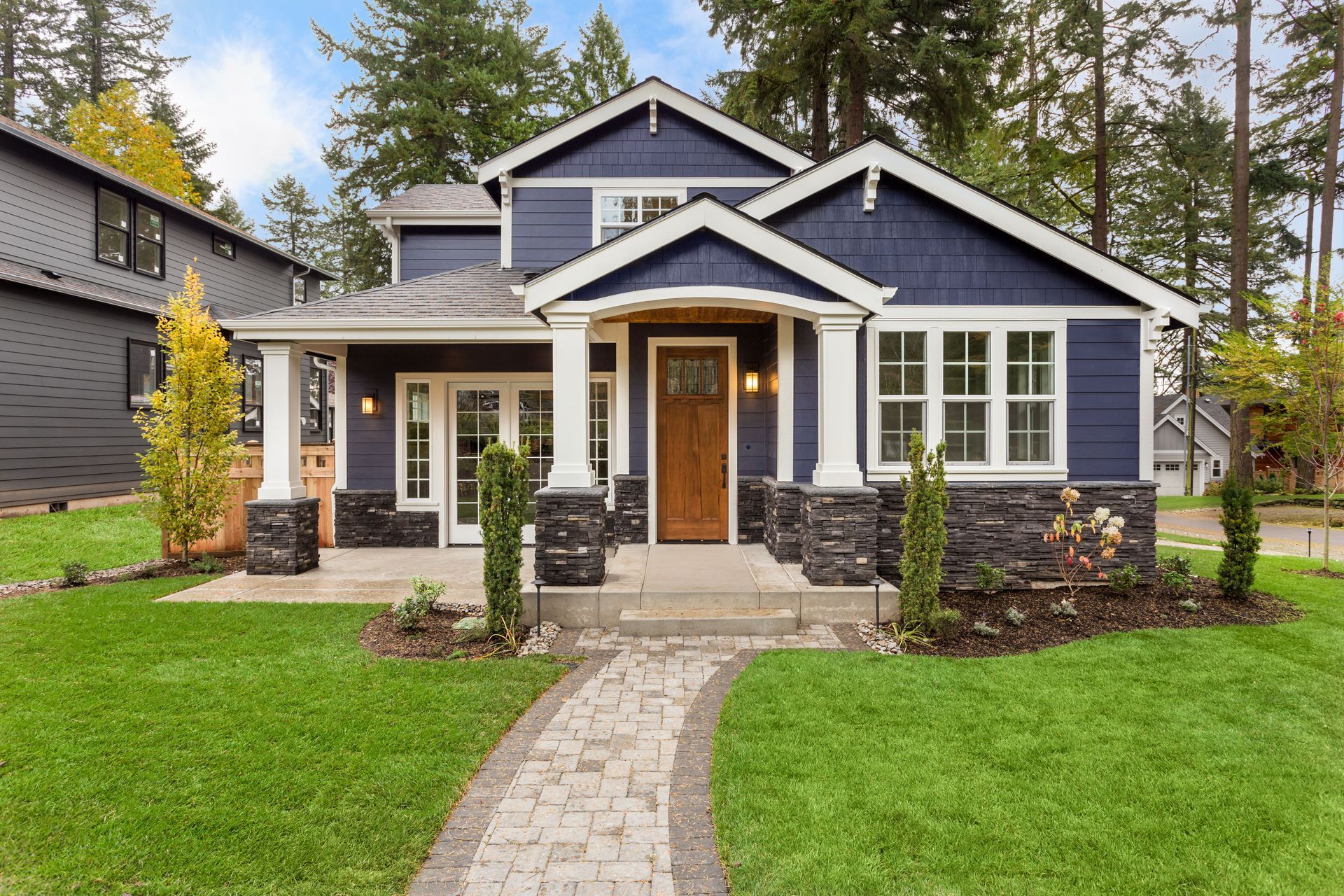
Strategic integration of window wells with the existing home architecture creates a cohesive and unified appearance. This involves careful consideration of materials, colors, and design elements to ensure harmonious blending with the broader architectural theme. Whether complementing a modern, minimalist design or a more traditional aesthetic, window wells should reflect the homeowner's architectural vision. Thoughtful design integration not only enhances aesthetic appeal but also preserves the architectural integrity and character of the property. As a result, well-integrated window wells can significantly contribute to a home's visual and functional harmony.
Regulatory Compliance and Best Practices
Understanding Building Codes
Complying with building codes is critical to ensure the safety and legality of window well installations. Building codes address various aspects, such as size requirements, ladder provisions, and emergency egress specifications. Homeowners should familiarize themselves with relevant codes, including regulations such as those mandating ladders for wells deeper than 44 inches per the International Residential Code. Ignorance of building codes can result in non-compliance, potentially posing safety risks and legal challenges. Therefore, understanding and adhering to these regulations is vital for safe, functional, and compliant window well installations.
Adhering to Safety Regulations
Safety regulations encompass a wide range of considerations in window well design, including emergency access and prevention of accidental falls. Adhering to these regulations ensures that window wells provide efficient escape routes during emergencies and are safeguarded against potential hazards. Implementing best practices in window well safety design is not only a regulatory requirement but also a moral obligation to protect inhabitants and visitors. By emphasizing vigilance and thoroughness, homeowners can ensure their window wells contribute positively to the safety environment of their homes. Thus, safety compliance remains a paramount concern in window well design.
In conclusion, thoughtful and strategic window well design profoundly impacts safety, drainage efficiency, and long-term home performance. By adhering to building codes and integrating innovative features, homeowners ensure that window wells serve as effective emergency egress routes and prevent water-related issues. Additionally, selecting durable materials and incorporating aesthetic features enhance both the longevity and appeal of window wells. As technology evolves, advances in window well design will continue to offer new opportunities for improved safety, energy efficiency, and sustainability. Therefore, understanding these facets is essential for maximizing the value and performance of
egress windows within residential properties. Contact Direct Egress & Construction to get started!