March 10, 2026
Choosing the right window style is a pivotal decision when planning your upcoming basement renovation or safety upgrade. While the primary goal of any egress window installation is to provide a reliable emergency exit and bring natural light into a subterranean space, the mechanism you choose affects both the functionality and the aesthetic of your home. Most homeowners find themselves choosing between two popular options: casement and sliding windows. Both styles meet safety requirements, but they offer different advantages depending on the layout of your basement and your personal preferences regarding ventilation and ease of use. Understanding the nuances of each can help you make an informed choice for your property.
Evaluating the Space-Saving Benefits of Sliding Windows
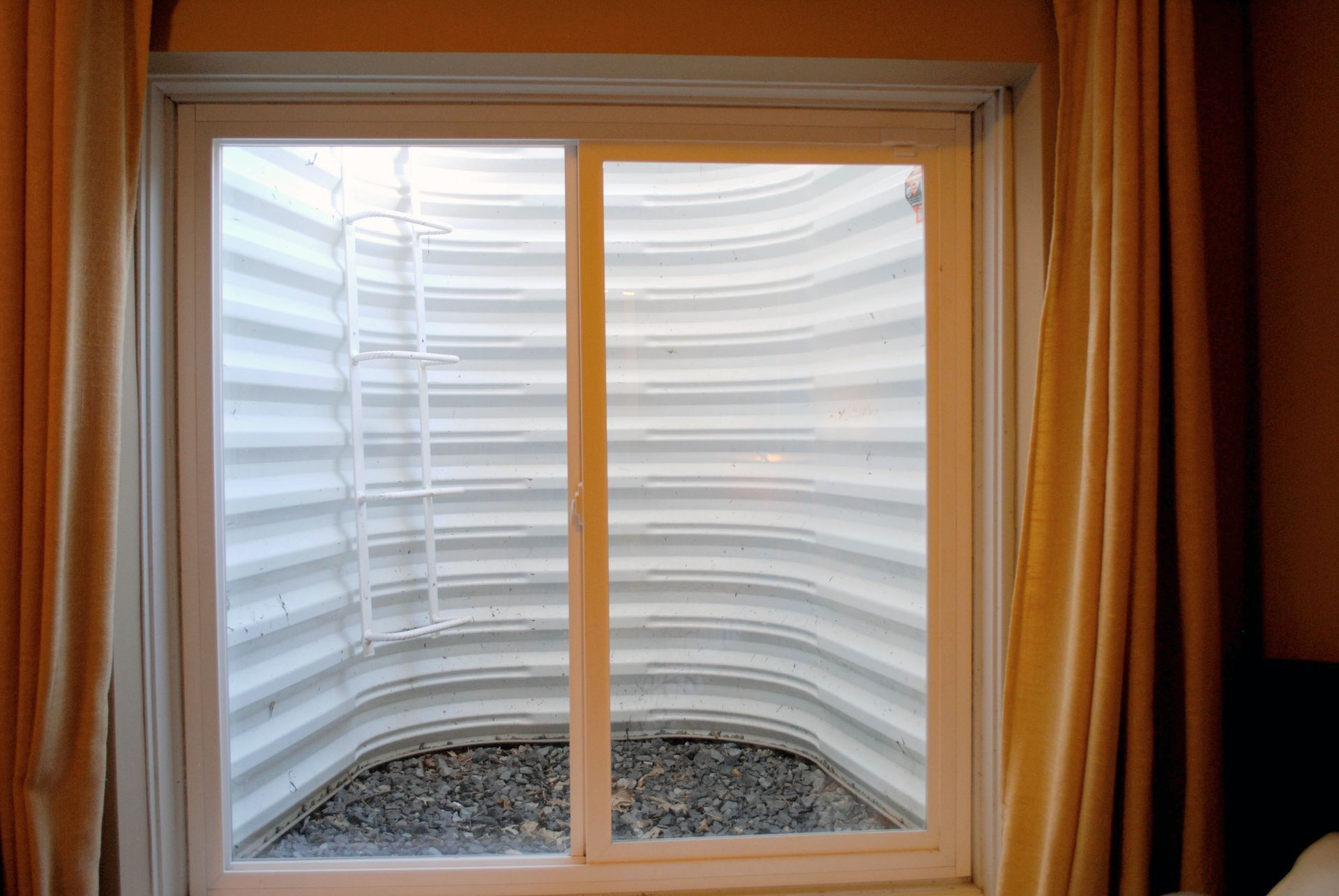
Sliding windows are a common sight in many basement egress window installation projects because of their simple, horizontal operation. These windows consist of two or more sashes that slide past each other on a track. One of the biggest advantages of this style is that it does not swing outward. If your basement window well is narrow or if you have landscaping directly outside the window that you do not want to disturb, a slider is an excellent choice. It stays contained within the frame, ensuring that the exterior space remains unobstructed at all times. This makes them a practical solution for tight quarters where a swinging sash might hit the well wall.
However, it is important to remember that because the sashes overlap, only half of the window area is typically open for ventilation at any given time. From a safety perspective, the window must be sized appropriately to ensure that when the sliding pane is fully retracted, the remaining opening is large enough for a person to climb through easily. Many modern sliders are designed specifically for basement use, featuring easy-lift sashes that can be removed quickly in the event of an emergency, which adds an extra layer of security and peace of mind for the occupants of the home.
Maximizing Ventilation and Light with Casement Windows
Casement windows are often considered the premium choice for a high-quality egress window installation. These windows are hinged on one side and crank outward like a door. Because the entire sash opens away from the frame, they provide the maximum amount of airflow and unobstructed views. For a basement that feels dark or damp, the ability to fully open the window can significantly improve the air quality and the amount of natural sunlight entering the room. Many interior designers prefer casements because they have a clean, modern look that mimics the style of windows found on the upper floors of a house, helping the basement feel less like a cellar and more like a finished living area.
The outward-swinging nature of the casement window does require a slightly larger window well to accommodate the sash as it opens. However, this design is incredibly efficient for meeting building codes. Because the entire opening is available for exit once the window is cranked open, you can often achieve the required safety dimensions with a smaller overall window frame compared to a sliding model. This can be a major benefit if you are working with limited wall space or if you want to minimize the amount of concrete cutting required during the initial phases of the project.
Understanding Code Requirements for Safety and Compliance
Regardless of whether you prefer the sleek look of a casement or the practical nature of a slider, every egress window installation must adhere to strict safety standards to be legal and functional. These codes are in place to ensure that in the event of a fire or other emergency, occupants can escape and emergency personnel can enter with their equipment. According to This Old House, the International Code Council states that an egress window must have a minimum opening height of 24 inches and a minimum opening width of 20 inches. This ensures that the passage is wide enough for a standard adult to pass through without obstruction.
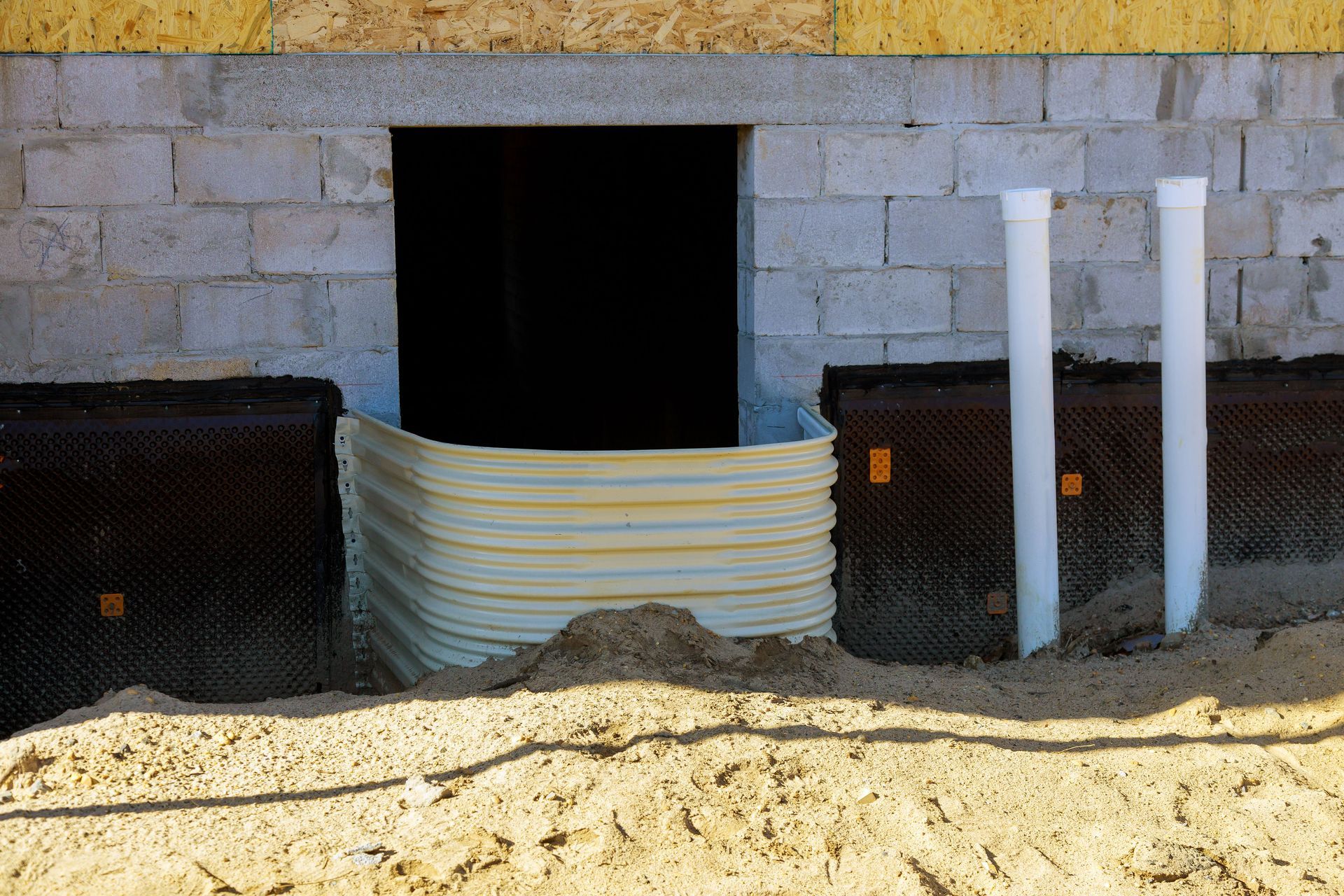
Beyond the dimensions of the window itself, the installation must also consider the height of the sill from the floor. Generally, the sill cannot be more than 44 inches off the ground. If the window is deeper than this, a permanent ladder or steps must be installed within the window well. When selecting between a casement and a slider, you must ensure that your chosen model, when fully opened, maintains these specific clear opening measurements. A professional installer will measure the "clear opening" rather than the outer frame to guarantee that your basement remains fully compliant with local building regulations and safety protocols.
Comparing Energy Efficiency and Long-Term Maintenance
Energy efficiency is another critical factor when deciding on the right egress window installation for your home. Casement windows are generally known for having a tighter seal because the sash presses firmly against the frame when locked. This creates a highly effective barrier against drafts and moisture, which is especially important in basements where temperature control can be a challenge. In contrast, sliding windows rely on weatherstripping along the tracks. While high-quality sliders are very efficient, the tracks can sometimes collect dust and debris over time, which may slightly impact the seal if not cleaned regularly.
Maintenance for both styles is relatively straightforward. Sliding windows have fewer moving parts, often making them very durable over many decades. Casement windows utilize a mechanical crank system, which may require occasional lubrication to keep it moving smoothly. Both styles are now commonly available in vinyl or fiberglass frames, which are resistant to moisture and soil contact often associated with basement windows. Choosing a frame material that resists rot and corrosion is just as important as the style of the window itself when it comes to the longevity of your investment.
Considering Aesthetic Integration with Your Home’s Exterior
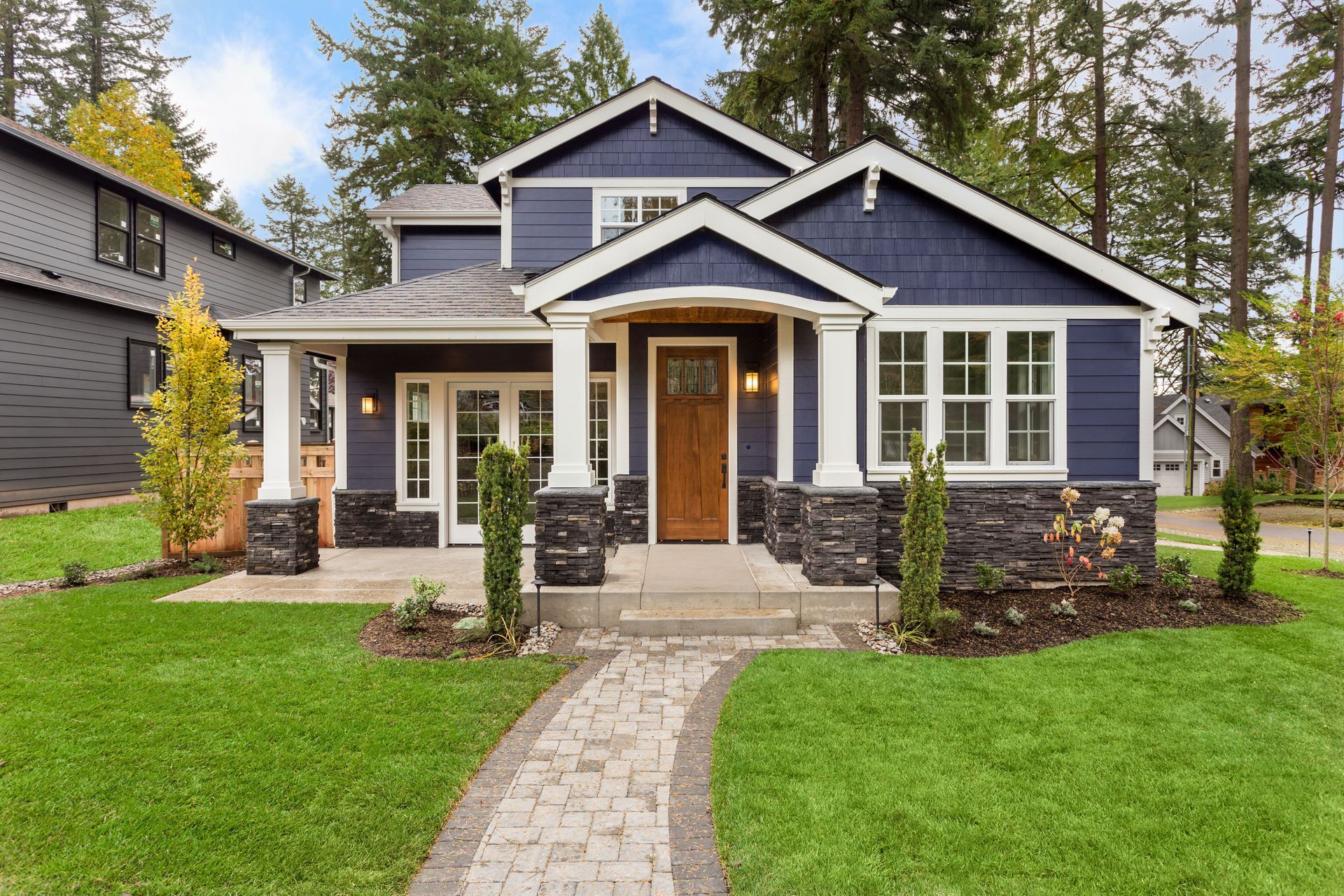
While the interior functionality is paramount, the exterior appearance of your egress window installation should not be overlooked. You want the new window to blend seamlessly with the existing architecture of your home. Casement windows offer a classic look that fits well with traditional, colonial, or contemporary homes. Because they don't have a center meeting rail like many sliders, they provide a "picture window" effect that can make the basement feel more expansive. This can be a significant selling point if you plan to use the basement as a guest suite or a home office where aesthetics are a priority.
Sliding windows, on the other hand, offer a more utilitarian and low-profile appearance. They are often less conspicuous from the outside, which some homeowners prefer if the window is located at the front of the house or near a patio. The choice often comes down to the existing windows on the rest of your home. If your first and second floors feature sliding windows, a sliding egress window will maintain a consistent look. If your home features casement or double-hung windows, a casement egress window might be the more visually harmonious choice. Consistency in window style can improve the overall curb appeal and potentially increase the resale value of your property.
Analyzing the Cost and Installation Complexity
The final consideration for most homeowners is the budget. Generally, a sliding egress window installation may be slightly more cost-effective in terms of the unit price of the window itself. The mechanisms are simpler, and the manufacturing process is often less expensive. Casement windows, due to their specialized hardware and cranking systems, often carry a higher price tag. However, the cost of the window is only one part of the total project. You must also account for the cost of the window well, the excavation, and the labor required to cut through the foundation wall.
Deciding between a casement and a sliding window depends on your specific needs for space, light, and budget. Both options provide the essential safety and accessibility required for a modern basement living space. By weighing the pros and cons of each style, you can ensure your basement is not only safe and compliant but also comfortable and beautiful for years to come. If you are ready to upgrade your home with a professional egress window installation, contact Direct Egress & Construction today to learn more about our services and schedule a consultation.